TotalMSK Blog and Self-Care
The Musculoskeletal and Wellness blog
The TotalMSK Health and Wellbeing at Work and Play blog contains articles covering health and wellbeing topics relevant to individuals and corporate wellness. Topics include specific sports-related injuries, common musculoskeletal conditions, self-care, maintenance and prevention and other related topics, including stress and resilience.
MSK Conditions / Sports Injuries (Jaw, Shoulder, Elbow, Wrist, Hip, Knee, Ankle, Foot)
Temporomandibular Joint (TMJ) Pain - An MSK Therapy perspective
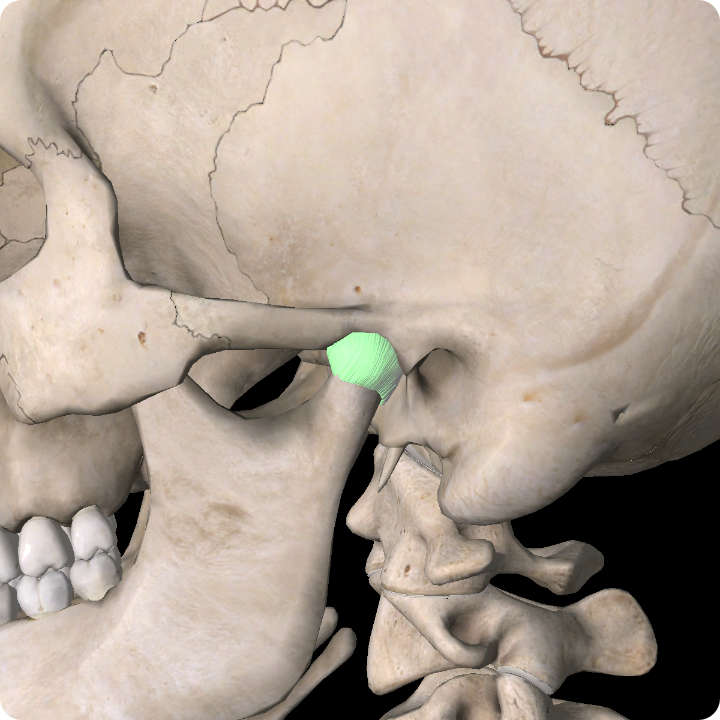
Jaw pain can occur for multiple reasons, though a common source of such pain is the Temporomandibular Joint (TMJ). The jaw is attached to the skull by two such joints, which are complex forms of joint structures. Problems with these joints can occur due to a combination of factors, leading to a variety of symptoms. The full article covers more about TMJ anatomy, causes, symptoms, and treatment options. Temporomandibular Joint (TMJ) Pain - An MSK Therapy perspective
Repetitive Strain Injury - An MSK Therapy perspective

Many people have heard of or experienced symptoms of Repetitive Strain Injury (RSI) or Occupational Overuse Syndrome (OOS) to varying degrees. Essentially the two terms cover a group of repetitive or overuse type injuries. The injuries tend to affect the upper extremities, elbows, forearms, wrists and hands. Most people may not be aware that conditions such as Golfer's and Tennis elbow are types of Repetitive Strain Injury (RSI) and affect many non-golf and tennis players. The general public commonly associates carpal tunnel syndrome with Repetitive Strain Injury (RSI). Yet all of these conditions are forms of RSI. There are many possible causes and treatment options, and the full article looks more at these, along with symptoms and prevention. Repetitive Strain Injury (RSI) - An MSK Therapy perspective
General article about Bursitis pain

Bursitis is a condition that can affect almost any joint structure and can either have a clear cause or be more subtle. Joints have small fluid-filled pads called bursae near them. These pads reduce friction between and load between bones and other soft tissues during movement. Bursitis is the term for an inflamed bursa, which leads to pain and restricted mobility. Bursitis of the shoulder or hip is pretty common, and the full article explains more about possible causes and treatment options. General Bursitis pain , shoulders and hips and more
Trochanteric Bursitis - Hip Pain

There are many possible causes for hip pain, and one of the more common is bursitis. If left untreated, the condition can quickly become chronic and much harder to resolve. Often the condition can stem from a specific trauma, such as a fall on the hip. Such a fall can lead to Trochanteric Bursitis or inflammation of the Trochanteric Bursa. Bursitis can also be for other reasons, including infections or subtle changes in biomechanics. The full article on Trochanteric Bursitis hip pain - An MSK Therapy perspective looks at common causes, symptoms and MSK therapy treatment options.
Subacromial Bursitis - Shoulder Pain

Subacromial Bursitis is one of the most common forms of Bursitis and affects the shoulder. Many other painful shoulder injuries may have similar symptoms and can lead to Bursitis if left unaddressed. Shoulders are more susceptible to injuries and in part due to their complexity. The full article explains more about the shoulder anatomy, Subacromial Bursitis, possible causes and treatment options. Shoulder pain and subacromial bursitis
Acromioclavicular Joint Separation - Shoulder Pain

The only bone attachment for the shoulder joint complex is via the clavicle, which consists of a joint at each end. The acromioclavicular (AC) joint is the furthest of the two joints from the body and connects the shoulder blade (shoulder) to the clavicle. An AC joint separation involves injury to the joint where the ends of the bones form the joint, effectively resulting in a separation of the bones. The injury often involves some type of force trauma, meaning symptoms and severity of shoulder pain can vary. The full article covers further details, including the injury anatomy, causes, symptoms, and treatment options. Acromioclavicular Joint Separation - Brisbane MSK Clinic
Adhesive Capsulitis - Shoulder Pain
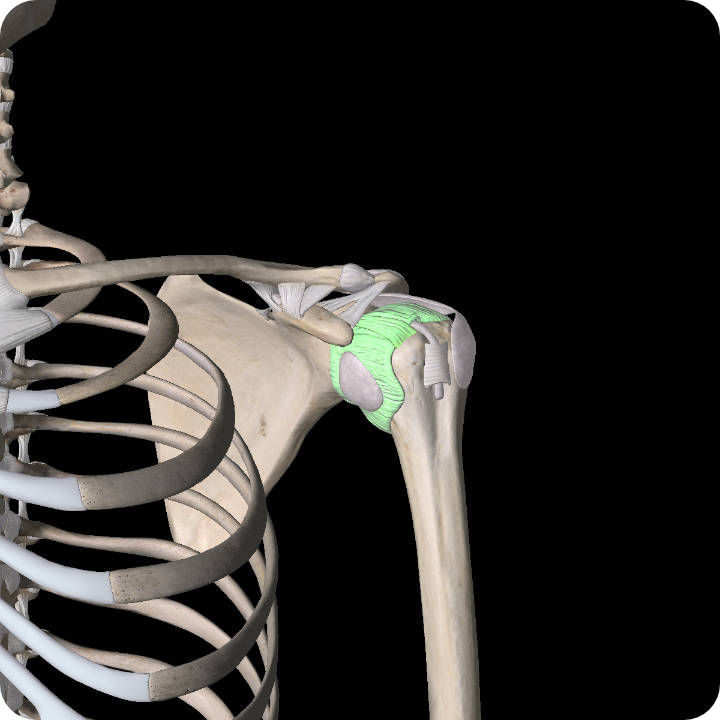
Adhesive Capsulitis is a condition which affects the glenohumeral (GH) shoulder joint capsule and is more commonly known as Frozen Shoulder. The condition often involves stages, where symptoms gradually get worse over time, before eventually improving over a few years. Frozen shoulder can seriously impact activities of daily living, affect sleep and create serious shoulder pain. The full article provides a better explanation of the shoulder anatomy, possible causes, symptoms and treatment options. Frozen Shoulder (Adhesive Capsulitis) - Brisbane MSK Clinic
Bankart Lesion - Shoulder Pain
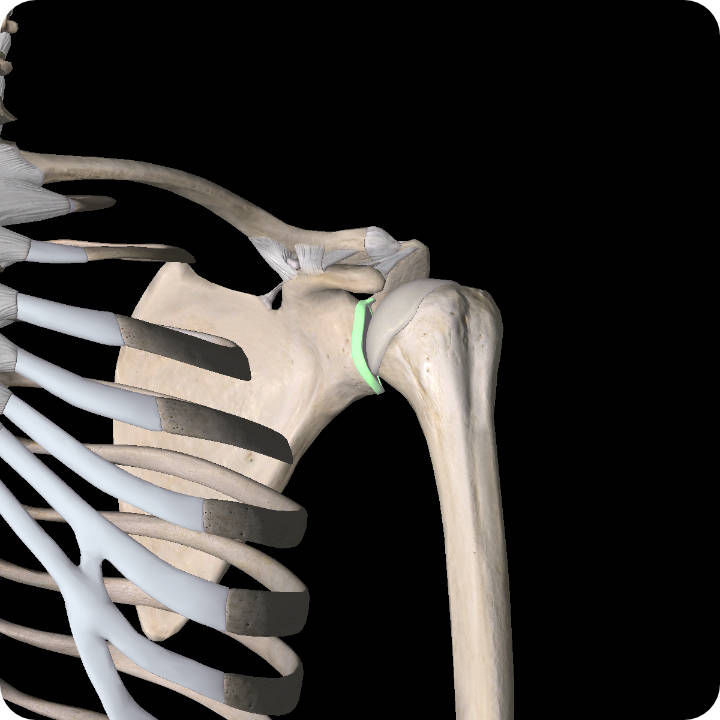
A Bankart lesion affects one of the internal parts of the glenohumeral (GH) shoulder joint, the labrum. The labrum is a tapered ring of cartilage which surrounds the socket of the GH joint and assists in preventing the ball (humeral head) from leaving the socket. One type of tear to the labrum is known as a Bankart Lesion, which affects the anterior-inferior labrum (effectively the front and lower portion of the labrum). Injury mechanisms can have a direct effect on damage and symptom severity. Such injuries can cause shoulder instability, create shoulder pain, and lead to other conditions. The main article covers further details on the shoulder anatomy, injury causes, symptoms, and treatment options. Shoulder Pain - Bankart Lesion - Brisbane MSK Clinic
Biceps Tendon Pathology - Shoulder Pain
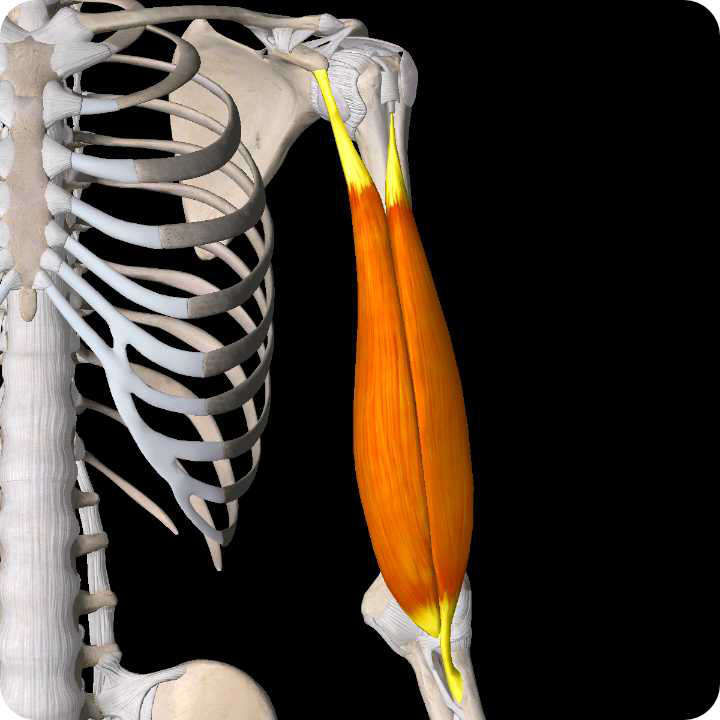
Injuries affecting the biceps tendons can often result in shoulder pain. The tendons attach the biceps muscles to bone within the lower forearm and shoulder. Injuries to tendons typically occur due to a specific trauma, changes in biomechanics, or overuse. Symptoms can vary in severity, though often involve pain and impact shoulder mobility. The full article provides further details on biceps tendon shoulder anatomy, condition causes, symptoms, and treatment options. Shoulder Pain - Biceps Tendon - Brisbane MSK Clinic
Clavicular Fracture - Shoulder Pain
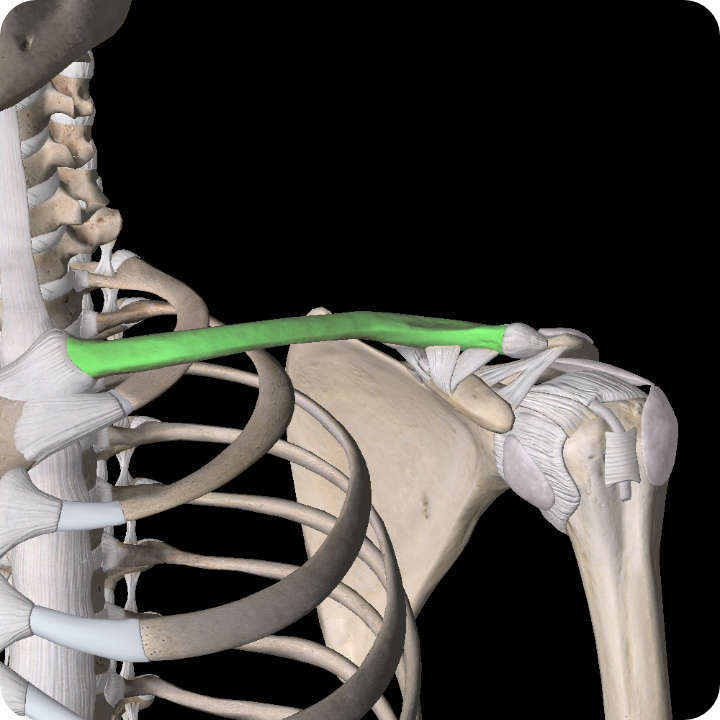
The clavicle is a relatively small bone and yet a key part of the shoulder joint complex. Fractures or broken clavicle bones typically occur due to force trauma. Injury severity and symptoms also vary according to specific injury mechanisms. Such injuries can severely affect activities of daily living, due to shoulder pain and the resulting impact on mobility. More detailed information covering the shoulder anatomy, injury causes, symptoms, and treatment is available in the full article. Shoulder Pain - Clavicular Fracture - Brisbane MSK Clinic
Hill-Sachs Lesion - Shoulder Pain
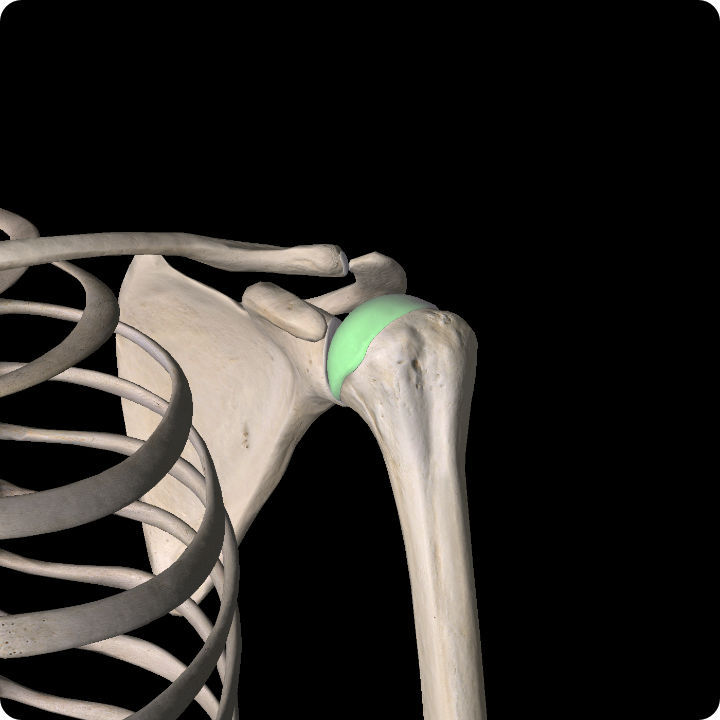
Some types of force trauma injury can result in impact injuries to parts of the glenohumeral (GH) joint. One such injury can result in a Hill-Sachs lesion, where impacting of the humeral head (ball) against the socket (glenoid fossa) of the GH joint results in a dent forming in the humeral head (ball). Symptoms can vary according to injury severity, though shoulder pain and shoulder complex instability are common, which can lead to the formation of other conditions. Further details, including the anatomy of the injury, possible causes, symptoms, and treatment, are covered in the full article. Shoulder Pain - Hill-Sachs Lesion - Brisbane MSK Clinic
Humeral Fractures - Shoulder Pain
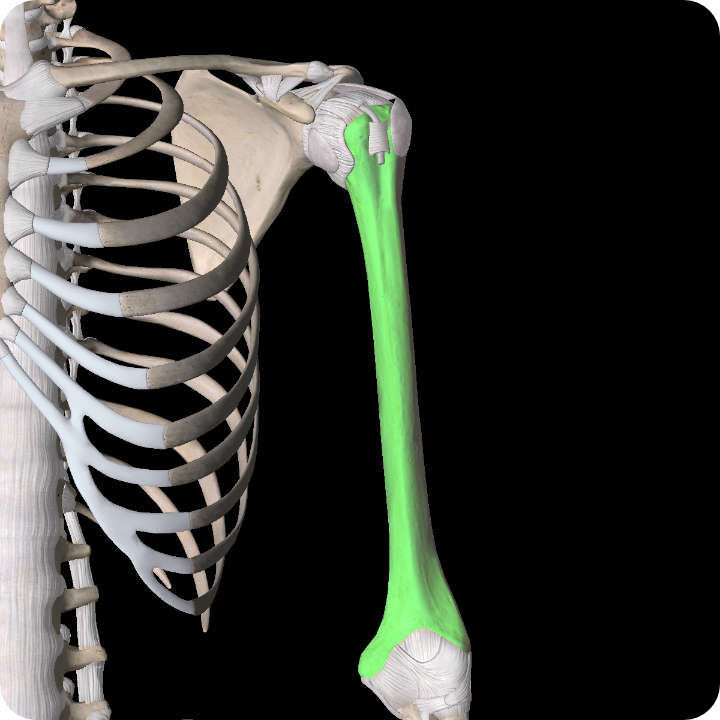
Breaks to the upper arm (humerus) can vary in degree of complexity and severity. Humerus fractures typically occur due to force trauma, though the exact injury mechanism can vary hugely. However, the forces involved in causing a humeral fracture will also affect other tissues and structures, including the shoulder complex. Hence, such injuries can also result in shoulder pain and reduced mobility. The full article provides further details covering injury anatomy, causes, symptoms, and treatment. Shoulder Pain - Humeral Fractures - Brisbane MSK Clinic
Impingement Syndrome - Shoulder Pain
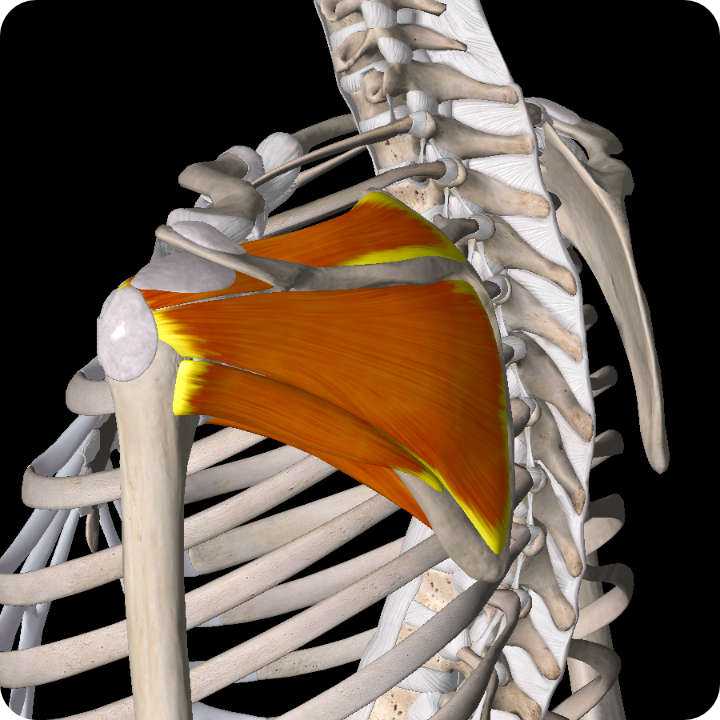
Impingement syndrome can vary in severity, though it often involves shoulder pain and restricted mobility to varying degrees. Normal pain-free movement of the shoulder relies on multiple components of the shoulder complex working seamlessly together. However, injuries or changes to individual soft tissue components or structures of the shoulder complex can impact biomechanics. Such changes can then result in additional soft tissue loading and inflammation, creating pain and impinging on specific shoulder movements. The full article provides much detail covering shoulder anatomy, causes, symptoms, and treatment options. Shoulder Pain - Impingement Syndrome - Brisbane MSK Clinic
Labral Tears - Shoulder Pain
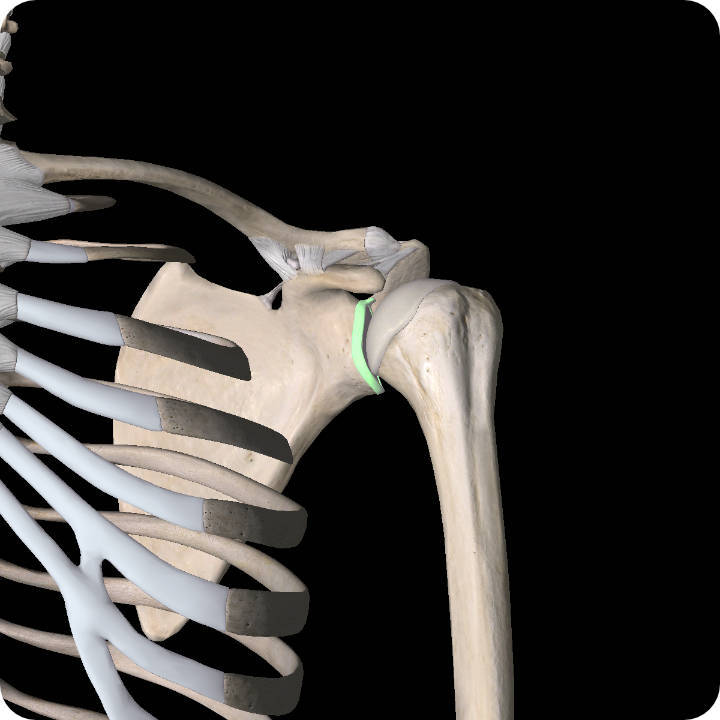
There are many parts to the glenohumeral (GH) shoulder joint; one such part is the labrum. The labrum is a tapered ring of cartilage which is attached to the rim of the GH joint socket (glenoid fossa). Injuries to the shoulder can lead to damage to the labrum and a labral tear, resulting in shoulder pain and instability. As with other shoulder injuries, symptom severity can vary based on the injury mechanism. Further details on causes, symptoms, treatment options, and shoulder anatomy are covered in the full article. Shoulder Pain - Labral Tears - Brisbane MSK Clinic
Osteoarthritis - Shoulder Pain
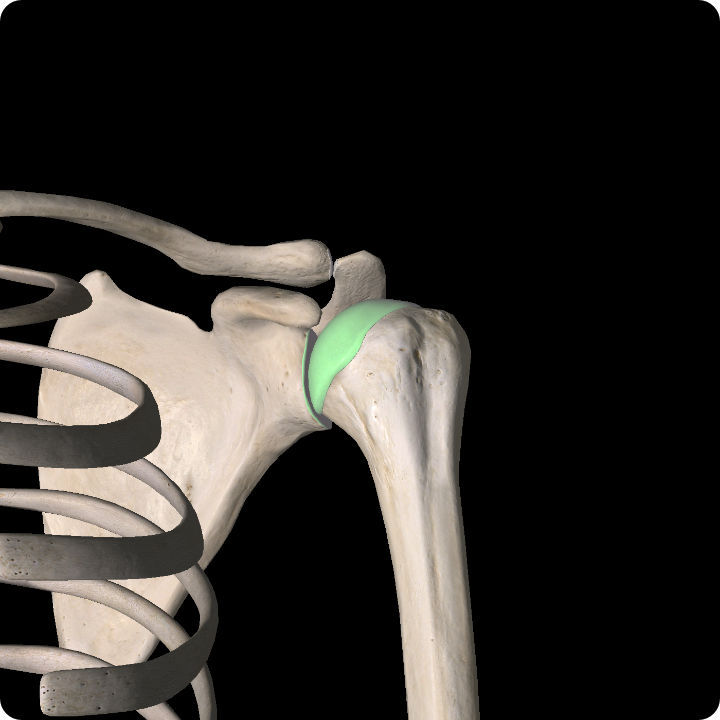
The shoulder complex consists of multiple joints, with three of these joints being synovial bone-on-bone joints with hyaline cartilage covering bony contact surface areas. Healthy hyaline cartilage is smooth and reduces bone-on-bone friction within such joints and also assists with shock absorption. Shoulder joint osteoarthritis results in degenerative changes to the cartilage, resulting in restricted mobility and shoulder pain. The full article provides further details about shoulder complex anatomy, possible causes, symptoms, and treatment options. Shoulder Pain - Osteoarthritis - Brisbane MSK Clinic
Pectoral Muscle Strain - Shoulder Pain

There are a large number of muscles within the shoulder joint complex, and the pectoral muscle (pectoralis major) is one such muscle. Muscle strains occur when fibres making up the muscle are torn due to trauma. Injury severity can vary according to injury mechanism, impacting both shoulder pain, symptoms, healing time, and mobility. More details covering injury anatomy, causes, symptoms, and treatment options are available in the full article. Shoulder Pain - Pectoral Muscle Strain - Brisbane MSK Clinic
Rotator Cuff Tears - Shoulder Pain
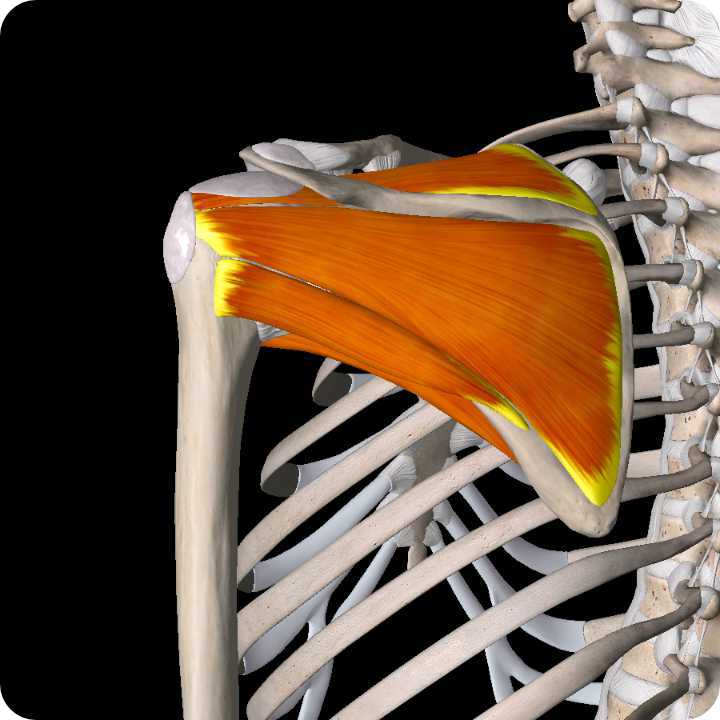
The rotator cuff consists of four relatively small muscles which attach from points on the scapula to points on the upper arm (humerus). Muscle tears or strains can vary in severity, based on injury mechanism, which can impact symptoms. Shoulder pain and restrictions in mobility are common with rotator cuff tears. Possible causes, symptoms, injury anatomy, and treatment options are covered in more detail in the full article. Shoulder Pain - Rotator Cuff Tears - Brisbane MSK Clinic
Rotator Cuff Tendinopathy - Shoulder Pain

Unlike rotator cuff tears, rotator cuff tendinopathy affects the tendon portion of the rotator cuff muscles. The four rotator cuff muscles are attached to specific parts of the scapula and upper arm (humerus) via tendons. Injury to these tendons can result in shoulder pain, restrictions in mobility, and a gradual worsening of symptoms if left unaddressed. The full article provides further details covering shoulder anatomy, injury causes, symptoms, and treatment options. Shoulder Pain - Rotator Cuff Tendinopathy - Brisbane Clinic
Dislocations and Subluxations - Shoulder Pain
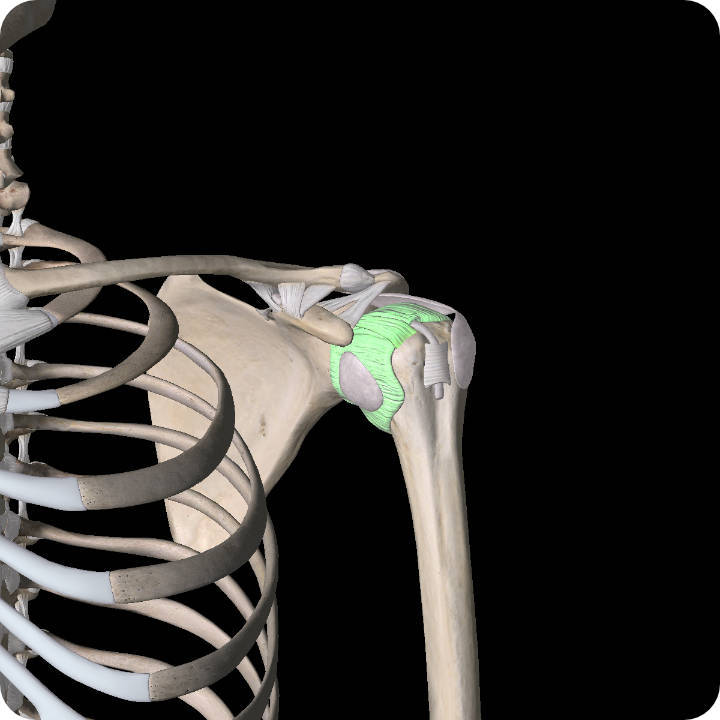
In medical terms, a subluxation is a partial joint dislocation, whereas a dislocation involves the bones forming a joint completely separating. There are three such synovial bone-on-bone joints within the shoulder complex, with the largest being the glenohumeral (GH) joint. A classic shoulder dislocation typically involves the GH joint. Such injuries can vary in severity due to cause, though typically involve shoulder pain and restricted mobility. The full article provides further details on symptoms, causes, shoulder anatomy, and treatment options. Shoulder Pain - Dislocations - Brisbane MSK Clinic
Instability - Shoulder Pain
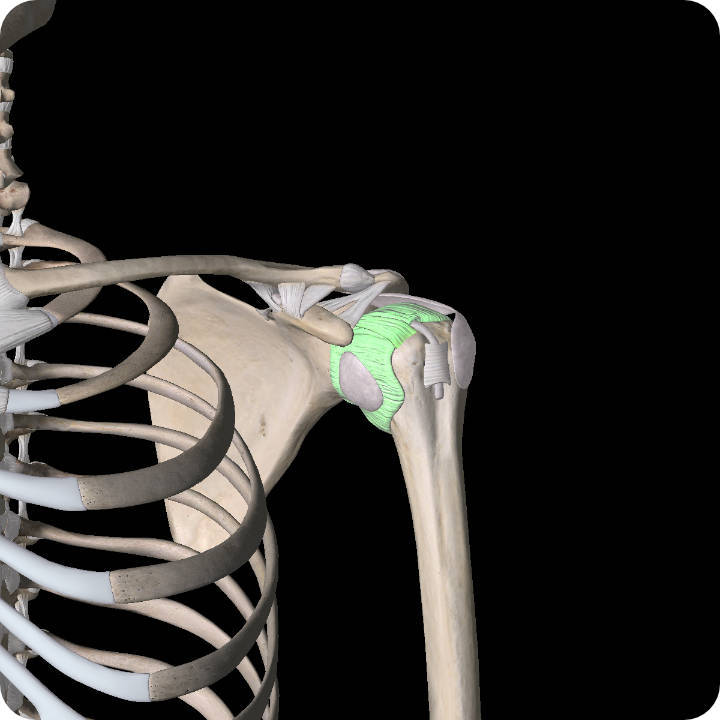
Shoulder instability can occur for multiple reasons, resulting in consequences for the overall shoulder complex. Individual joint integrity and stability rely on multiple components working seamlessly together. Damage or changes to any of the individual components can result in joint instability, shoulder pain, and mobility. Shoulder anatomy, causes, symptoms, and treatment options are discussed more in the full article. Shoulder Pain - Shoulder Instability - Brisbane MSK Clinic
Common Running Sports Injuries
Plantar Fasciopathy or Plantar Fasciitis - Foot Pain

Although the article on Plantar Fasciitis / Plantar Fasciopathy is from a “Running”perspective, many people can suffer from this condition. The article describes some typical symptoms, possible causes and treatment options. Learn more about Plantar Fasciitis here.
Ankle injuries (Inversion, Eversion) - Ankle Pain

Ankle injuries can affect virtually anybody and can cause a multitude of other niggles or problems if left untreated and not rehabilitated correctly. The article about ankle injuries discusses different types of damage, severity, the possible impacts of such injuries and treatment options available. Read more about Ankle injuries (Inversion, Eversion) here.
Achilles Tendinopathy - Heel Pain

Achilles Tendinopathy is a fairly common condition, which can affect people from all walks of life. The condition can also easily affect both highly active sports people, including runners through to sedentary and inactive people. The Achilles Tendinopathy article covers the condition in some detail, along with possible causes and treatment options. Read more about Achilles Tendinopathy here.
Shin Splints - Shin Pain
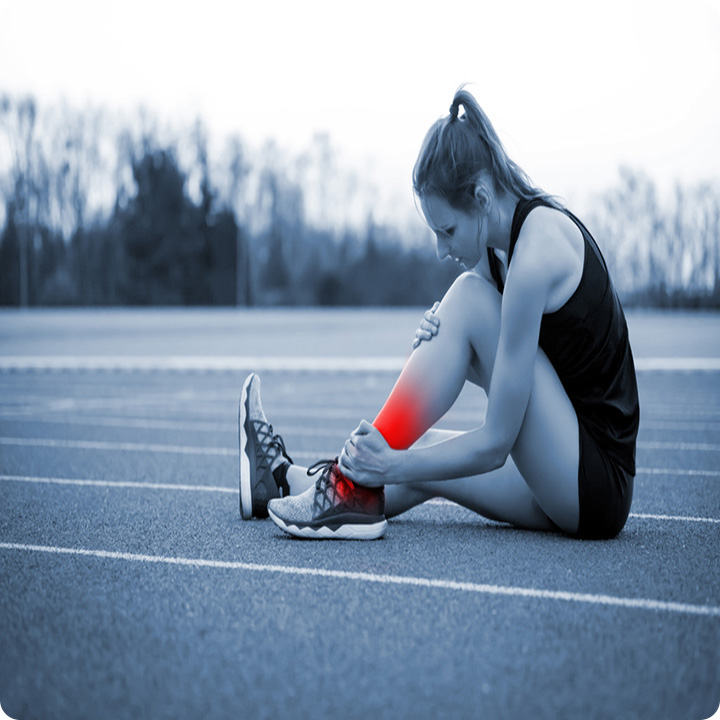
Many runners and military personnel are likely to have encountered the unpleasant and sometimes debilitating pain associated with Shin Splints. The condition can easily be made worse and be very debilitating. The Shin Splints article discusses possible causes, symptoms of the condition and treatment options. Learn more about Shin Splints here.
Patellofemoral Pain Syndrome - Knee Pain

Knee pain (Runner’s Knee / Rower’s Knee)and problems affecting the knee are relatively common in certain types of activity including sports like Rowing, Running and Football. The article about Patellofemoral Syndrome covers more details about the symptoms of this condition, possible causes and treatment options. Read further about Patellofemoral Pain Syndrome, Runner's Knee, Rower's Knee here.
Iliotibial Band Syndrome (ITBS) - Knee Pain

Another form of knee pain and sometimes hip pain can occur due to Iliotibial Band Syndrome (ITBS)or (ITB) Syndrome. The condition commonly affects Runners and hence is also known as Runner’s Knee. The article on (ITBS) covers symptoms associated with the condition, possible causes and treatment options. Further details about Iliotibial Band Syndrome (ITBS), Runner's Knee can be found here.
Tennis Elbow - Lateral Elbow Pain

Tennis Elbow, or as per the medical term Lateral Epicondylitis does not just affect Tennis players. The condition can occur instantly after a specific injury or, more commonly, gradually over time. Many contributory factors can easily irritate the situation and make things worse. As with many types of conditions with an inflammatory component, symptoms can quickly become chronic and harder to resolve. Addressing and treating the root cause of the problem early on can make a huge difference, saving pain, stress and money. The full article looks at possible causes, symptoms, treatment options and preventative strategies. Tennis Elbow pain - An MSK Therapy perspective
Golfer's Elbow - Medial Elbow Pain

Golfer's Elbow or Medial Epicondylitis is a condition which affects the forearm flexor tendons near the Elbow. Injuries to soft tissues result in inflammation, heat, swelling and pain. Repetitive motions or activities can result in symptoms gradually developing. Golfer's Elbow can occur from many types of activity and not just Golf. The full article covers possible causes, symptoms, self-care and treatment options. Golfer's Elbow pain - An MSK Therapy perspective
MSK Conditions and Chronic Pain (Headaches & Migraines, Neck, Back, Myofascial Pain)
Headache Treatment - An MSK Therapy Perspective

Headaches can have many causes, types of symptoms and levels of severity. Many types of headaches can have identifiable and straightforward reasons, which are manageable with the proper treatment and preventative strategies. Muscular and myofascial tension can play a major part in the onset of many types of headaches and associated pain. Even migraine headaches can have a musculoskeletal origin. The full article on Headache Treatment - An MSK Therapy perspective goes into far more detail, along with other related topics.
Chronic Pain - An MSK Therapy Perspective

Chronic Pain can occur for many reasons and affect many areas of the body. Usually, some form of trauma leads to Chronic Pain if tissue structures cannot heal as normal. Sometimes the Chronic Pain exists from the moment of the initial trauma and, on other occasions, develops over time due to changes caused by the initial trauma. Pain is only really referred to ask Chronic, once it has been present for over three months in duration. Dealing with such Pain involves taking a holistic approach, in more complicated cases, a multi-disciplinary approach. Chronic Pain conditions are far more complex than just the physical pain aspect. The full article on Chronic Pain - An MSK Therapy Perspective looks at the topic in far more detail, along with other highly related areas.
General Back Pain treatment, causes, help - An MSK Therapy perspective
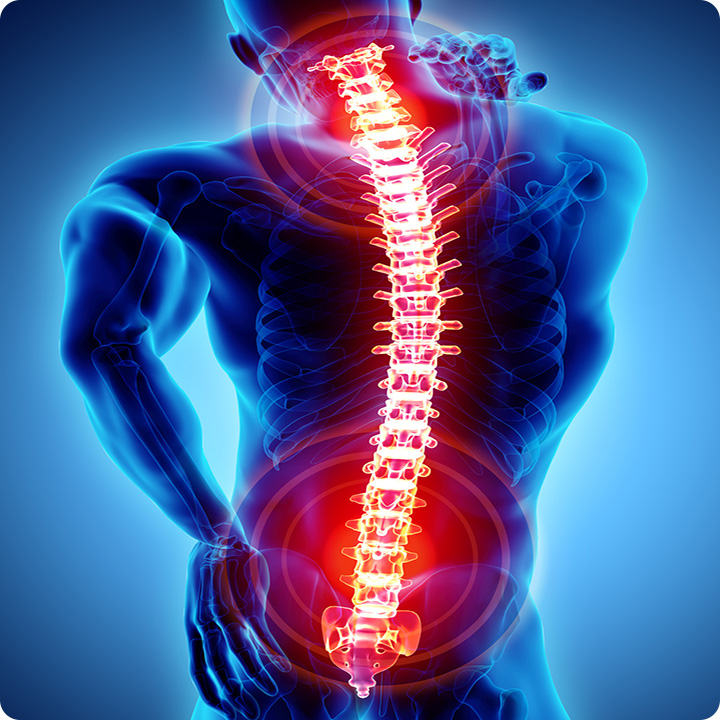
Back pain is invariably something that the vast majority of the population will experience at some point in life. Symptom severity and can vary from person to person, as can the duration of back pain episodes. There are multiple possible causes of back-related pain and not purely mechanical or soft-tissue based. The article on back-pain looks in more detail at some possible causes and treatment. General Back Pain treatment, causes, help - An MSK Therapy perspective.
Neck Pain Relief, causes and treatment - An MSK Therapy perspective

Busy modern-day life and the increasing use of smart devices can take a toll on our musculoskeletal system and especially our necks. Terms such as "text neck" have become popular as a means of describing the specific occurrences of neck pain. The article "Neck Pain - An MSK Therapy perspective." looks at several possible causes of neck pain and some strategies to help limit, or avoid some of the effects of such problems. Neck Pain treatment, causes, help - An MSK Therapy perspective can be found here.
Relevance of trauma, healing, scar tissue, adaptation and biotensegrity on performance
Scar Tissue and treatment - A Myotherapists perspective
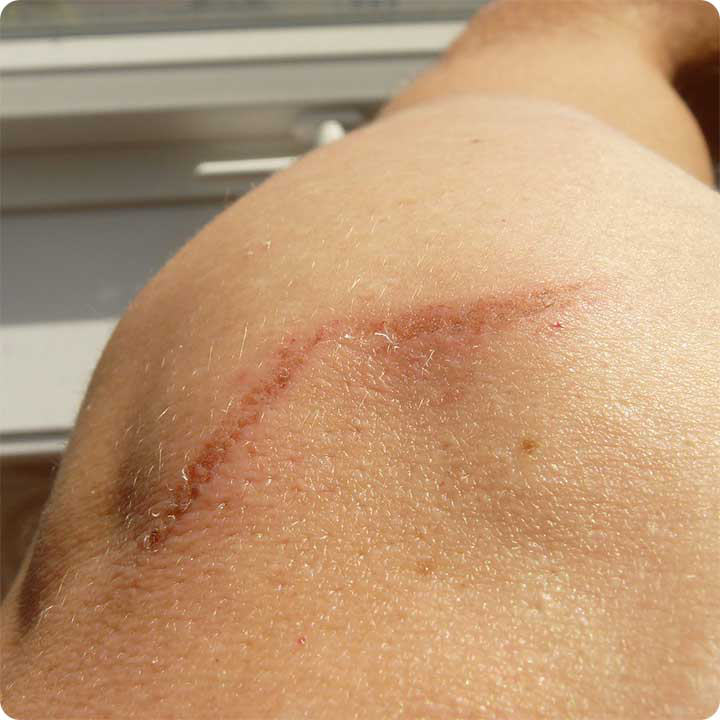
The article about healing and scar tissue is the third in a series of four related articles, the others being the topics of adaptation, trauma and biotensegrity. The bodies survival strategy to repair instead of to regenerate tissues has connotations for adaptation, biotensegrity, injury prevention, treatment and rehabilitation. For further details, please view the link on Scar Tissue healing and treatment.
Biotensegrity and its relevance - An MSK Therapy perspective
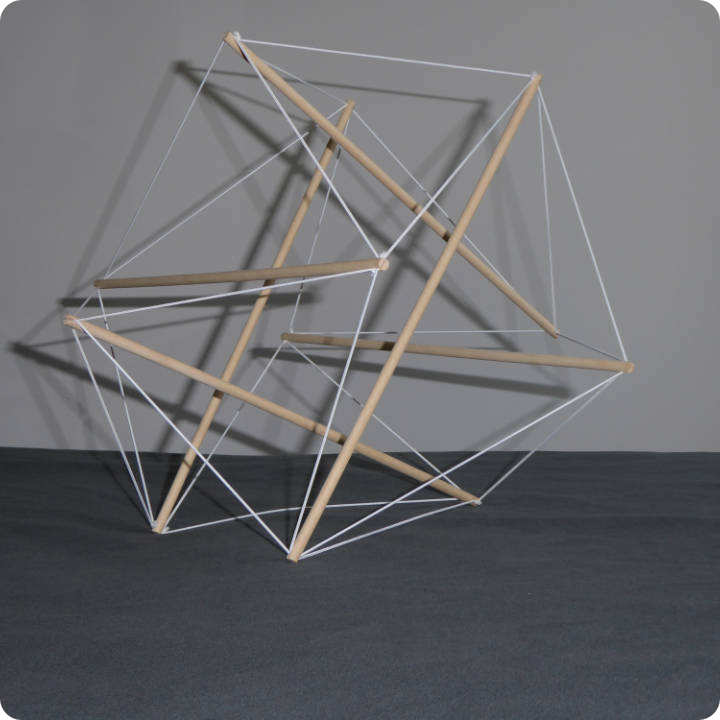
The article on Biotensegrity is the second in a series of four related articles, the others being the topics of adaptation, trauma and healing. Biotensegrity looks at how everything in the body is connected and how changes in compressive and tensile forces can impact us. Changes in Biotensegrity have connotations for injury prevention, recovery, training and general musculoskeletal health. Read more here Biotensegrity and its relevance - An MSK Therapy perspective.
Tissue Adaptation - An MSK Therapy perspective

The article on adaptation is the first in a series of four highly related and overlapping topics, the others being the topics of trauma, healing and biotensegrity. Musculoskeletal adaptation looks at how our bodies respond and adapt to various forces, which has connotations for injury prevention, recovery, training and our musculoskeletal health in general. Further details here Soft Tissue Adaptation to activity and injury - An MSK Therapy perspective.
Self-Care, Stress, Resilience and Emotional and Mental Wellness
Stress, the Individual, Wellbeing, Performance and the Workplace (Part One)

Stress is a relatively common fact of modern day life, and the human body has always had to deal with “stress” in one form or another. Not all “stress” is bad and “stress” can prove to be very positive. To combat the negative impacts of too much “stress,” one needs to understand something about the “Human Stress Response”. Learn more about Stress (Part One), the Individual, Wellbeing, Performance and the Workplace.
Stress, the Individual, Wellbeing, Performance and the Workplace (Part Two)
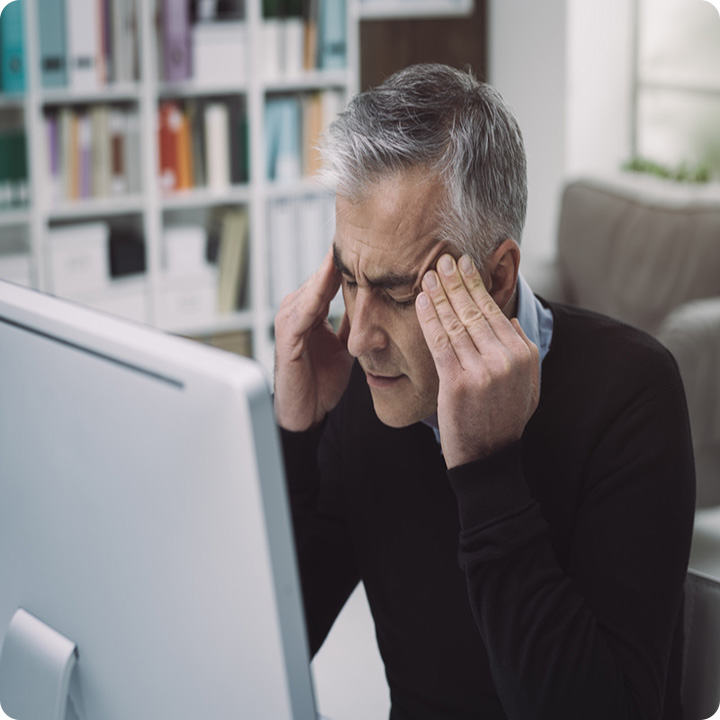
The second part of the article about “Stress, the Individual, Wellbeing and Performance”looks at the mid to long-term effects of excessive “stress” on the human body, various bodily systems and human performance. Find out more in Stress (Part Two), the Individual, Wellbeing, Performance and the Workplace.
Stress, the Individual, Wellbeing, Performance and the Workplace (Part Three)

The third and final part of the “Stress, the Individual, Wellbeing and Performance”related article looks at possible interventions to mitigate or reduce the impacts of perceived and sustained levels of “stress”. Stress (Part Three), the Individual, Wellbeing, Performance and the Workplace here.
Resilience in the face of adversity, uncertainty - covid-19

Any crisis can prove hugely challenging and stressful, both physiologically and psychologically. The Coronavirus Covid-19 situation is no different and fear, uncertainty and the changes that everybody has to make all add to the stress. Yet, some people seem more resilient and able to cope much more effectively than others in a similar situation. People deemed as resilient appear to have common shared characteristics and behaviours, which may indeed explain why they are more resilient. Resilience becomes more critical over time and, as one weathers the storm, but storms do end. The full article Resilience in the face of adversity, uncertainty - covid-19 looks in much more detail at the behaviours and characteristics found in resilient people and how they may help us deal with stress.
Self-Care home remedies, Sleeping Position, Work Ergonomics, Injury Prevention
Sleeping position, pillows and neck pain relief

There are many possible reasons for neck, shoulder, and back pain. However, how we sleep and our sleeping position can contribute to such issues and assist in relieving existing problems. Simple changes in how we sleep and support the weight of our head and neck while sleeping are worth the effort in terms of preventative measures. Adopting a neutral and supported head position while sleeping is easily achievable without expensive pillows. The article Sleeping position and pillow height explains why a neutrally supported head position is preferable and how to easily achieve such a sleeping setup.
Home working computer setup survival guide

During the Coronavirus (covid-19) situation, many people are currently home-working, which may present many new and interesting challenges. The home-working computer setup survival guide aims to help people avoid some common mistakes that one can easily make while working from home. Life will be stressful enough for many people, without the addition of some easily avoided additional musculoskeletal related aches and pains. The article not only covers ideal computer setups but also highlights the importance of other aspects of home-working and separating work from home life. The full article on Coronavirus (covid-19) Ergonomic computer setup and home-working survival guide can be read here.
Sports Injury Prevention
Basic Running / Sports Injury Preventive Measures

Many of the concepts covered in the “Sports Injury Preventative Measures”article, don’t just apply to “Runners”or just people participating in sport. The principles equally apply to multiple forms of physical activity, injury prevention, or exercise in general and recovery from injury. Further details on Basic Sports Injury Prevention can be found here.
Sports Injury Prevention Strategies - Brisbane MSK Clinic

Well, the Christmas and New Years festivities are now behind us, and many people will have made new years resolutions to get fit and or lose weight. Unfortunately, many people give up on their new year's resolutions due to injury early on. The article on injury prevention, An MSK Therapy perspective helps explain why many injuries occur (injury mechanisms), and some strategies to help avoid them. Happy New year and enjoy being or getting active. Further details on Sports and injury prevention after an injury or break from activity can be found here.
Self-Care, Myofascial Release, Trigger Point Therapy, Ankle Rehabilitation
Self-Myofascial Release (SMFR) techniques and tools

Self-myofascial release (SMFR) involves using techniques a trained myofascial release therapist performs in a self-treatment context. However, there are significant differences between the types of tools and the application of methods in a self-treatment context versus professional treatment. Effectively, there are more limitations in what is achievable in a self-treatment context, though treatment can still prove effective. The full article about Self-Myofascial Release (SMFR) techniques and tools provides useful hints and tips.
Self-Myofascial Release (SMFR) routine for the legs

During the current Coronavirus (covid-19) lockdown situation, many people are spending prolonged periods sitting at home while working or otherwise. Leg tension can be a consequence of prolonged sitting, though athletes and runners are not immune either. The self myofascial release article looks at some simple ways to help maintain or limit leg tension during the lockdown and afterwards. The Self Myofascial Release techniques for legs - not just runners can be read here.
Massage Ball Self Myofascial Release - Trigger Point Therapy (TPT)
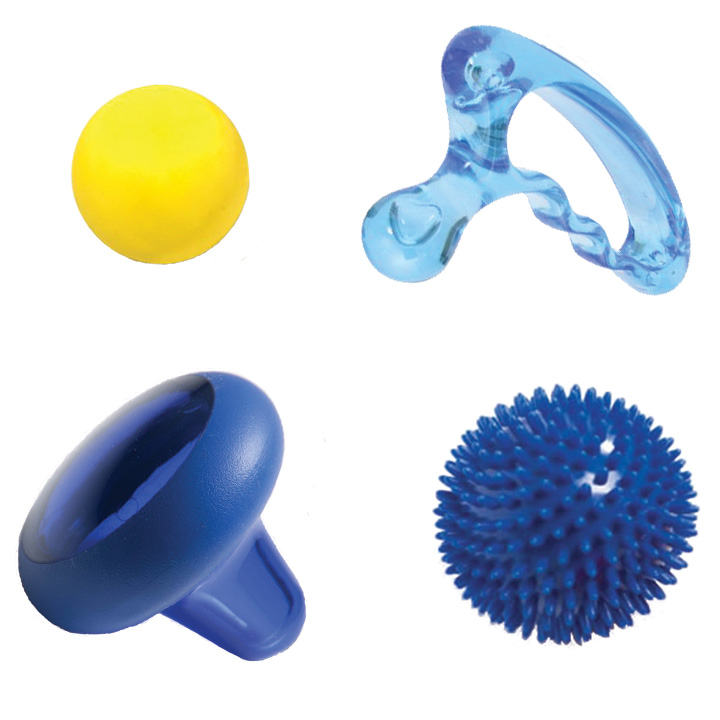
As with “Foam Rollers”, Self Trigger Point Therapy (TPT) can prove to be a reasonably effective self-maintenance or treatment technique and useful addition to general treatment. However, it is helpful to understand something about muscle anatomy, physiology and the basis of the method. Read more about Massage Ball Self Myofascial Release - Trigger Point Therapy (TPT) here.
Foam Roller Self-Myofascial Release (SMFR)
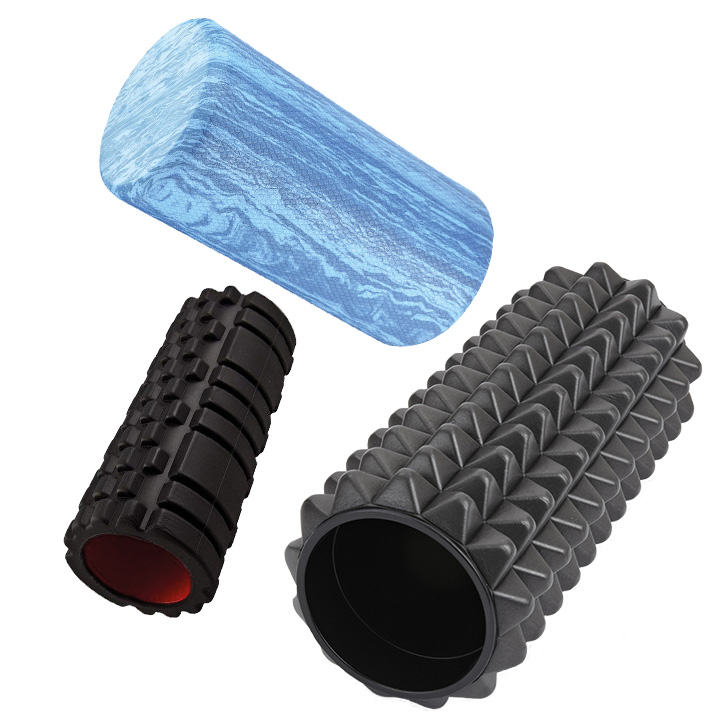
The vast majority of the population have probably seen or used a “Foam Roller”, of which there are now all types, shapes and sizes. However, to get the best out of self-treatment with a “Foam Roller”, it helps to understand the basis of the technique and something about muscle anatomy and physiology. Foam Rollers can also be a useful addition to general treatment and maintenance. Find out more about Foam Roller Myofascial Release (SMFR) here.
Proprioceptive ankle rehab - Brisbane MSK Clinic

Unresolved ankle injuries can often cause other unforeseen Musculoskeletal - MSK issues over time. Equally, people may only seek treatment in more severe injuries or not at all. Treatment and recovery work may not even involve any proprioceptive retraining, and such training can prove highly relevant in even seemingly minor injuries. The training is fairly easy to perform at home. However, one should see a professional in the first instance, as such training may be inappropriate or contraindicated due to other health-related conditions. The full article Proprioceptive wobble board ankle rehab explains the ankle rehabilitative process in more detail.
Finding Ethical outside help, Myofascial Triggers Points, Pain and Treatment
Finding a good, ethical Musculoskeletal health professional

It can often be easier said than done when finding a good ethical and moral musculoskeletal professional or therapist. As somebody, who has worked within the musculoskeletal field for over 19 years, the author has encountered some highly dubious practices. Of more concern is marketers' increased and aggressive efforts on social media, targeting health professionals with "patient maximising schemes". The old saying of "actions speaking louder than words" certainly applies to a practitioner's focus. The full article Finding a good, ethical Musculoskeletal health professional looks in more detail at the types of characteristics and behaviours patients may see and whose best interest these relate.
Myofascial Trigger Points and Dry Needling
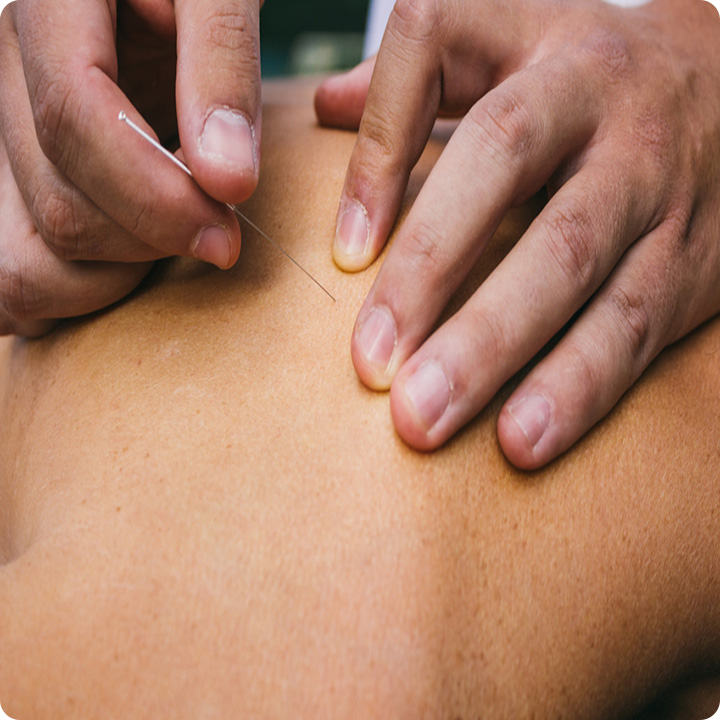
Myofascial trigger points(MTrPs) can cause many types of pain and restrict mobility. Also, there are different types of trigger points (TrPs), active and latent. Several myofascial therapy techniques actively treat MTrPs / TrPs, and trigger point dry needling is just one. Further details on technique and myofascial trigger points are available via the Trigger Point Dry Needling treatment and techniques link.
Myofascial Release Techniques and treatment

There are many myofascial release techniques, which aim to assess and treat myofascial pain. Differences in how and when the use of a specific method is suitable can vary hugely. Equally, myofascial release techniques may look to achieve a similar overall outcome but work very differently. No one "tool" or method works in every circumstance, and it is even possible to apply techniques in multiple ways. A good therapist knows which tool to use, how to use it and when to use it. Myofascial release can prove very effective in reducing pain and increasing mobility. Further details on methods are available by following the link on Myofascial Release treatment and techniques.
About the Author
As of December 31st 2020, the author chose to leave the Chiropractic profession due to a planned move back to Australia, where his training and education are not recognised. Terry no longer works as a Chiropractor and works as a Myotherapist in Morningside, Brisbane. He developed an early interest in soft tissue therapy techniques and advanced myofascial release methods in 2006 for treating various conditions. Terry's interests in human performance and trauma have naturally led to him developing a specialism in treating work and sports-related musculoskeletal injuries and Chronic Pain symptoms.
The author possesses an unusual background for somebody who trained in the McTimoney Chiropractic technique. His education, training, and practical experience span over two decades and relate to health's physical and mental aspects. He also needed to push his body and mind to the limits of physical and psychological endurance as part of his time serving in Britain's elite military forces. His education includes a bachelor of science degree in Business Management, with a specialisation in psychology and mental health in the workplace, an Masters of Chiropractic, MChiro, a Postgraduate Certificate in Mental Health and a multitude of soft tissue therapy qualifications (see the about section for more details). His soft tissue qualifications range from certificate level right through to a BTEC Level 5 Advanced Diploma in Clinical Sports and Remedial Massage Therapy. He has also taught as a senior course coach teaching Remedial Massage and the Advanced Diploma Myotherapy in Australia. His teaching involved both theoretical and practical aspects, including advanced Myofascial Release Techniques and has certification in training and assessment. Terry will have taught many of the first students to train as Myotherapists in Brisbane. Terry's combination of knowledge through education, training, elite military service, and personal injury history has paid dividends for the patients he sees and has treated over the last 19 years. Terry is still extremely active and enjoys distance running, kayaking, mountain biking and endurance-type activities.